MyHABs

Real-Time Harmful Algal Bloom (HAB) Monitoring

Safeguarding Lives and Sustaining Livelihoods

Read More Contact Us



About MyHABs

Advanced Solutions for HAB Monitoring

MyHABs is an innovative monitoring system designed to track and analyze Harmful Algae Blooms along the coastal regions of Sabah. Utilizing advanced IoT sensors deployed in key areas, MyHABs continuously gathers data on water quality, algal cell density, and toxin levels. This information is processed and displayed on an easy-to-use online platform, accessible to various stakeholders. Our goal is to empower stakeholders with the knowledge needed to protect public health, marine ecosystems, and economic interests.

Real-Time Monitoring

Harmful Algae Bloom Detection

Advanced IoT Sensors

Data Analysis

User-Friendly Online Platform

Stakeholder Empowerment

Public Health Protection

Marine Ecosystem Conservation

MyHABs Features

What Sets MyHABs Apart

MyHABs is used for monitoring water quality and harmful algal blooms (HABs). It features real-time data collection with instant alerts, advanced IoT sensors for seamless monitoring, and comprehensive data analysis for actionable insights. The user-friendly interface offers easy access to real-time and historical data, with customizable notifications to keep you informed.


Real-time Monitoring
Real-Time Monitoring
Real-time Monitoring
IoT Integration
Real-time Monitoring
Data Analysis
Real-time Monitoring
User-Friendly Interface
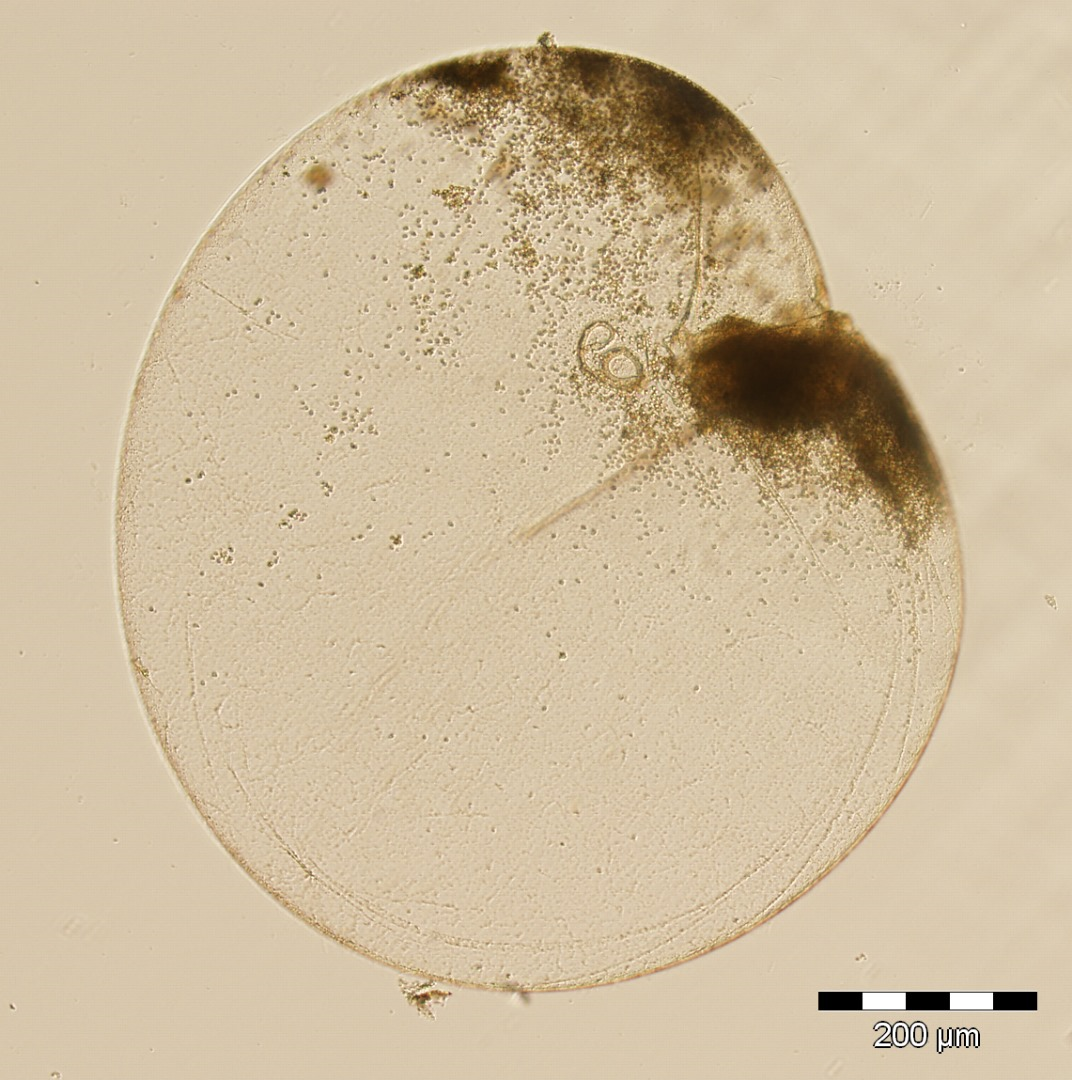
Noctiluca

Harmful Algal Blooms (HAB): An Overview and Impact in Malaysia

Harmful algal bloom (HAB)

HAB is a natural phenomenon reported globally happens when microalgae or phytoplankton grow in high cell density reaching millions of cells per litre. The dense blooms of the microalgae cover the sea surface causing the sea surface to be colored in red or reddish brown or green, depending on the species. This discoloration of the sea surface spread to several km wide can be seen by our naked eye and last for about a week.

In Malaysia, HAB was first reported in 1976 at the coastal waters of Sabah. In Peninsular Malaysia, the first report was in the 80s. Since then, Harmful Algal Blooms (HABs) have increased in frequency and intensity causing severe effects to aquaculture industry and human health. HAB event is predicted to be worst due to climate change whereby HAB species become more competitive, bloom in high cell density and produce toxin. To date, HAB cases have been reported in Perak, Penang, Kelantan, Melaka and Johor coastal waters. Species causing HAB in Peninsular Malaysia are Alexandrium minutum, Alexandrium tamiyavanichii, Margalefidinium polykrioides, M. fulvencens, Noctiluca scintillans, Karlodinium australe and Tripos furca.

HABs in Kerian coastal waters

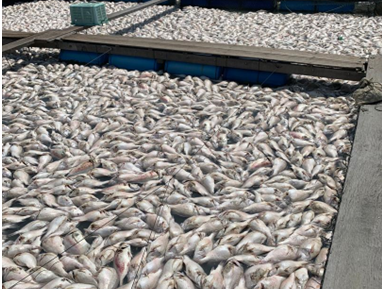
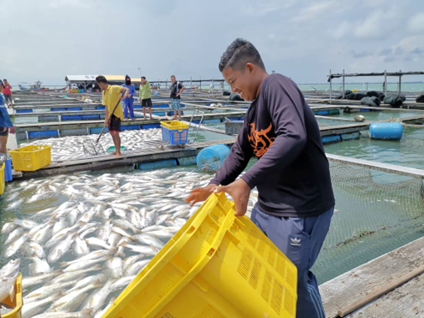
In Peninsular Malaysia, the two northern states i.e. Perak and Penang have experienced many negative impacts due to HABs. These areas are among the largest producers of culture marine fish which contributed 5,983.40 and 15,435.00 tonnes of marine fish, respectively with a total value of RM751.6 million in 2023. HAB event recorded in Perak in 2020 has affected 57 cages and killed 418 tonnes of fish with a total value of RM11 million. The causative organism was a dinoflagellates, Margalefidinium fulvencens, which also known as a fish killer. The bloom was recorded to spread to Penang coastal waters also resulting in mass mortality of caged fish. Another HAB species causing huge impact to aquaculture industry in this area is Noctiluca scintillans.

main MyHABs photo

Caged fish died during HAB

main MyHABs photo

Farmers suffered great lost during HAB event

Real-time HAB Monitoring
Contact Us

If You Have Any Query, Please Contact Us
MyHABs Logo
A Project Collaboration Between
IIUM Logo
DOF Logo